
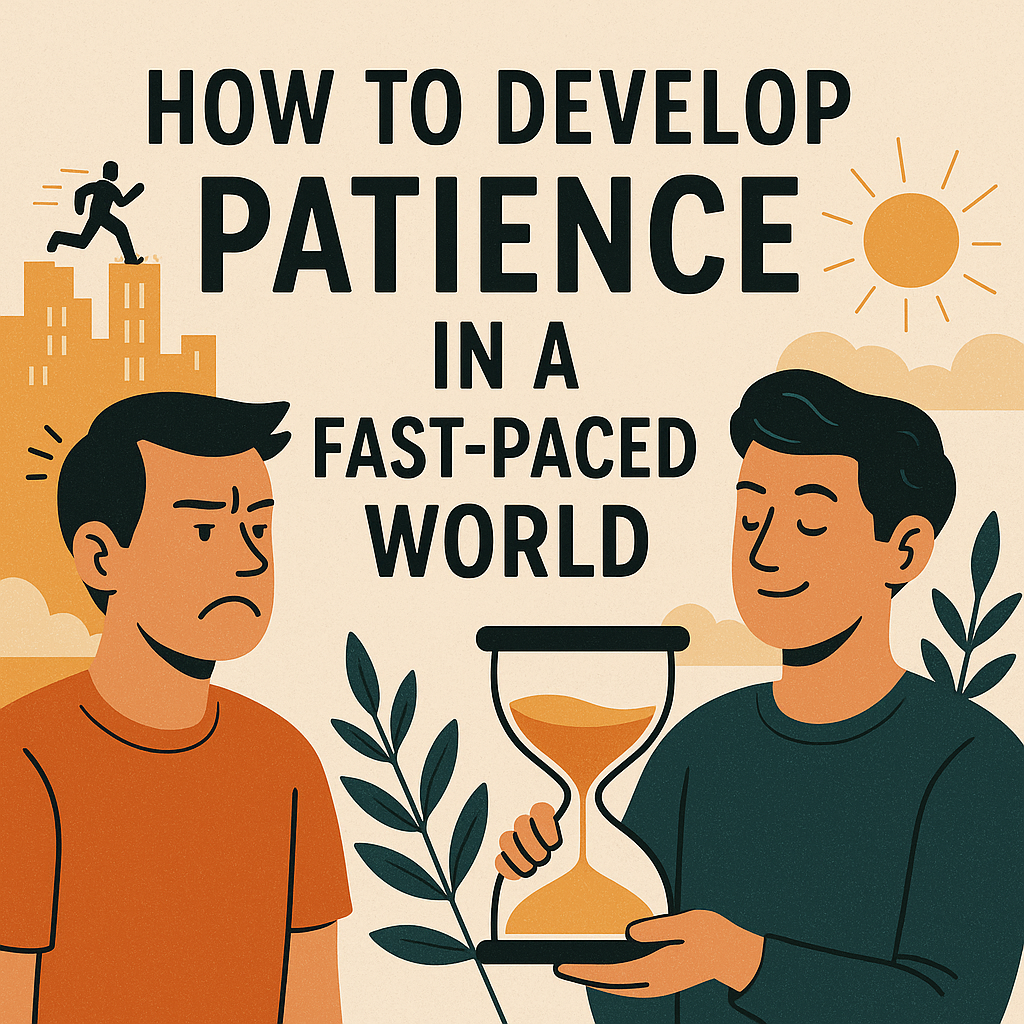
We live in a world that celebrates speed. Fast Wi-Fi, instant messages, same-day delivery—everything is optimized for immediacy. While convenience has its benefits, it also creates a culture of impatience. We expect results instantly and get frustrated when progress is slow.
But real personal growth takes time. Relationships, habits, careers, emotional resilience—none of these flourish overnight. That’s why learning to cultivate patience is one of the most underrated but essential personal skills.
In this article, you’ll learn how to develop patience in a world that pushes you to rush, and why slowing down can actually help you move forward with more clarity and purpose.
Why Patience Is Powerful
Patience is not passive—it’s a skill that helps you:
- Stay calm under pressure
- Make better long-term decisions
- Build deeper relationships
- Navigate challenges without giving up
- Appreciate progress, even when it’s slow
Impatience creates stress, impulsive decisions, and burnout. Patience allows for reflection, strategy, and sustainable growth.
Step 1: Recognize the Triggers of Your Impatience
The first step to building patience is self-awareness.
Notice when you feel impatient. What’s happening in your body or mind?
Common triggers include:
- Long lines or delays
- Waiting for results (fitness, finances, business)
- Watching others succeed faster than you
- Miscommunication or misunderstandings
- Technology issues or interruptions
Keep a list of your top 3 triggers. Awareness reduces reactivity.
Step 2: Shift From “Outcome Focus” to “Process Focus”
Impatience often comes from obsessing over the end result. You want the final goal now.
Instead, shift your attention to the process:
- Focus on the daily effort, not just the outcome
- Celebrate small wins and consistent actions
- Track your progress, not just your finish line
Process-focused people stay motivated longer and are less emotionally affected by slow results.
Step 3: Practice Slow, Intentional Activities
Patience grows when you intentionally slow down parts of your day. This trains your nervous system to feel safe without rushing.
Try:
- Walking slowly without distractions
- Eating meals without multitasking
- Journaling or sketching without a goal
- Mindful breathing for 5 minutes
These micro-moments of stillness help rewire your tolerance for slowness.
Step 4: Reframe Waiting as an Opportunity
Waiting doesn’t have to be wasted time—it can be a powerful space for reflection or creativity.
While waiting:
- Reflect on your goals
- Practice gratitude
- Plan your next action step
- Listen to a podcast or audiobook
- Observe your surroundings and breathe deeply
Reframing waiting as useful reduces the feeling of irritation.
Step 5: Use Visualization for Long-Term Thinking
When you feel impatient, visualize the long-term benefits of staying committed.
Ask:
- What will my life look like in 1 year if I stay patient now?
- How will I feel knowing I didn’t give up early?
- What opportunities might open up because I stayed the course?
Long-term vision helps override short-term frustration.
Step 6: Journal the Lessons of Delays
Life doesn’t always move at the pace we want. When delays happen, ask:
- What can this teach me?
- What might I be avoiding if I rush this process?
- What strength is being built in this season of waiting?
Delays are often where the deepest character growth happens.
Step 7: Set Realistic Expectations
Unrealistic timelines fuel impatience.
If you expect a big result in 2 weeks when it actually takes 6 months, you’ll feel like a failure—even when you’re on track.
Try:
- Researching how long similar goals take
- Giving yourself generous timelines
- Adding buffer space in your calendar
Patience starts with proper expectations.
Step 8: Celebrate Progress Regularly
One of the best ways to build patience is to notice how far you’ve already come.
Try:
- Weekly reflection: What did I handle better this week?
- Monthly review: What have I improved, even slightly?
- Visual tracking: charts, habit streaks, photo journals
Progress isn’t always dramatic. But it is happening—if you take time to see it.
Patience Creates a Life of Depth and Resilience
The most meaningful parts of life—health, growth, purpose, connection—don’t respond to speed. They respond to steady, patient effort.
Start here:
- Choose one area where you feel impatient right now
- Identify the trigger and reframe the situation
- Commit to one slow, intentional habit this week
- Track your progress—not perfection
In a fast-paced world, patience is a superpower. Use it.