
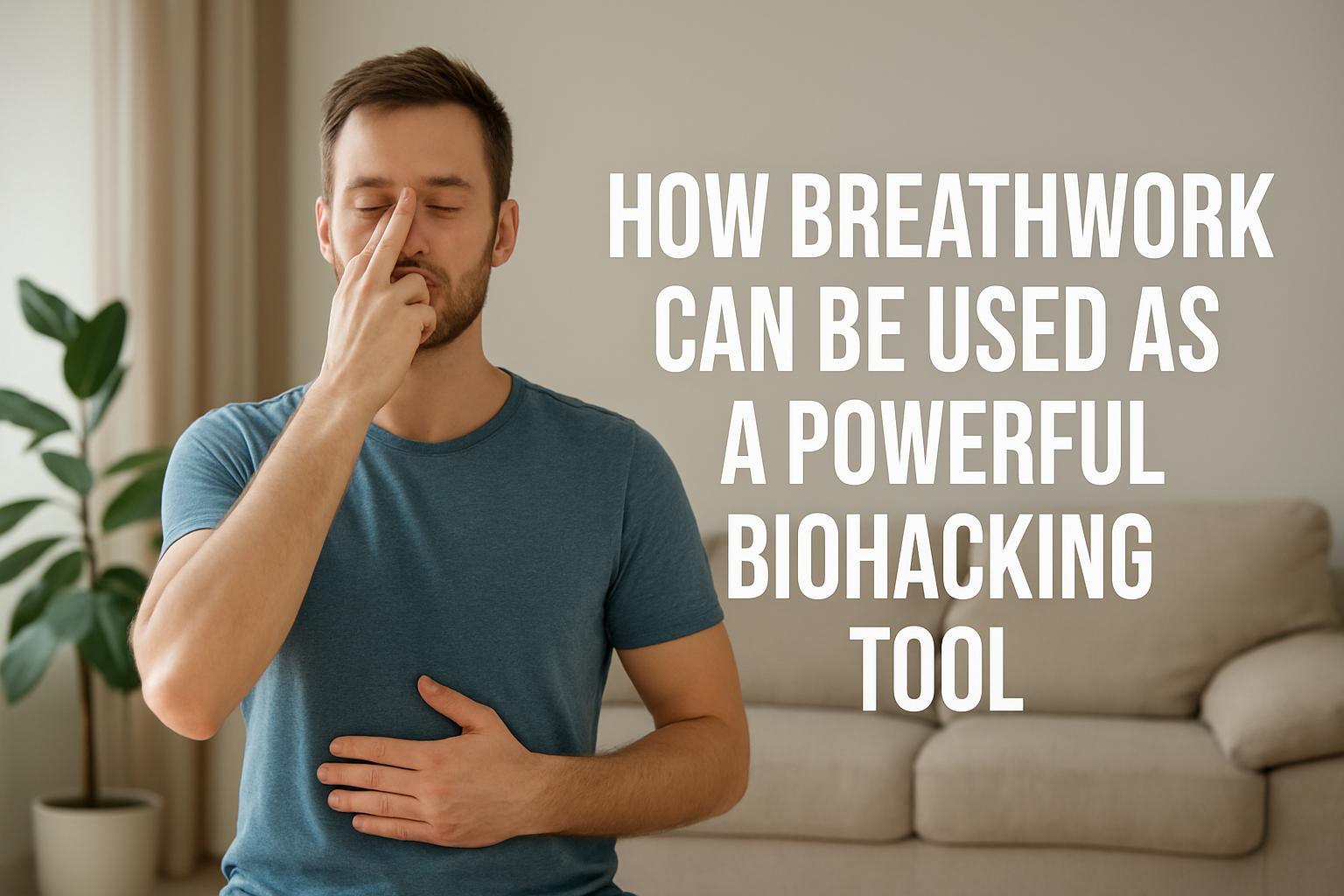
Breath is life. Yet most people go through their days without ever thinking about how they breathe. The truth is that breathing patterns directly affect energy, focus, stress levels, and even emotional resilience. That is why breathwork has become one of the most powerful biohacking tools for personal growth.
Unlike expensive supplements or complex technologies, breathwork is free, accessible anywhere, and can deliver fast results. Whether your goal is to reduce stress, increase focus, or boost overall well-being, intentional breathing can transform your daily life.
Why Breathwork Matters in Biohacking
Biohacking is about making small, intentional changes to improve how your body and mind function. Breathing is an area where even slight adjustments can produce massive results. Studies show that conscious breathing can:
- Lower cortisol, the stress hormone.
- Improve heart rate variability, a marker of resilience.
- Enhance oxygen delivery to the brain for better concentration.
- Promote relaxation and reduce anxiety.
- Support better sleep quality.
When applied consistently, breathwork becomes a simple yet effective tool for unlocking personal growth.
The Science Behind Breathwork
Breathing influences both the sympathetic nervous system (fight-or-flight response) and the parasympathetic nervous system (rest-and-digest). Fast, shallow breathing often signals stress to the body, while slow, deep breathing activates relaxation pathways.
By controlling the breath, you essentially gain access to your nervous system and can shift your state on demand. This ability makes breathwork a biohacking “shortcut” for regulating mood, focus, and energy.
Popular Breathwork Techniques
Here are some well-known methods you can experiment with in daily life:
1. Box Breathing (Calm and Focus)
- Inhale for 4 seconds.
- Hold the breath for 4 seconds.
- Exhale for 4 seconds.
- Hold again for 4 seconds.
Repeat for several minutes. This technique is used by athletes and even the military to remain calm under pressure.
2. 4-7-8 Breathing (Relaxation and Sleep)
- Inhale through the nose for 4 seconds.
- Hold for 7 seconds.
- Exhale slowly through the mouth for 8 seconds.
This method activates the parasympathetic nervous system and is excellent before bedtime.
3. Alternate Nostril Breathing (Balance and Clarity)
Close one nostril, inhale deeply, switch and exhale through the other. Continue alternating for 5–10 minutes. This technique balances brain hemispheres, promoting mental clarity and reducing stress.
4. Wim Hof Method (Energy and Resilience)
This involves cycles of deep, rapid inhalations and exhalations followed by breath retention. Many people report increased energy, focus, and stress tolerance. However, it should be practiced carefully, ideally while seated.
How to Integrate Breathwork into Daily Life
The beauty of breathwork is that it doesn’t require extra time—you can incorporate it into moments you already have. For example:
- Morning boost: Start the day with energizing breathwork, such as Wim Hof or a few minutes of deep belly breathing.
- During work: Use box breathing before a meeting or presentation to calm nerves.
- After stressful situations: Try 4-7-8 breathing to return to balance.
- Before bed: A few minutes of slow, mindful breathing helps signal the body it’s time to rest.
Breathwork and Emotional Regulation
One of the most underrated benefits of breathwork is its impact on emotions. When you feel anxious, angry, or overwhelmed, your breathing naturally becomes shallow and rapid. By consciously slowing it down, you send a signal of safety to your brain.
Over time, this practice builds emotional intelligence, allowing you to respond to challenges instead of reacting impulsively. It’s an invaluable skill for personal and professional relationships.
Common Mistakes to Avoid
While breathwork is safe for most people, there are some mistakes to avoid:
- Forcing the breath too much, which can create tension.
- Practicing advanced techniques, like hyperventilation, without proper guidance.
- Ignoring dizziness or discomfort—always pause if you feel unwell.
The goal is to make breathing exercises supportive and sustainable, not stressful.
Advanced Biohacking with Breath
As you become more experienced, you can combine breathwork with other biohacks:
- Cold exposure: Breath control helps manage stress during cold showers or ice baths.
- Meditation: Focusing on breathing enhances mindfulness practices.
- Habit tracking: Logging your breathwork sessions can help you stay consistent.
Why Breathwork Is the Perfect Biohack
Unlike supplements or devices, breathwork requires no purchase or special setup. It’s built into your biology. With practice, it becomes a tool you can use anytime you want to change your state—whether to calm down, focus, energize, or recover.
Final Thoughts
Breathwork is one of the simplest and most powerful biohacks for personal growth. By taking control of your breath, you take control of your mind, emotions, and even your energy.
Start small: try just five minutes per day. As you develop the habit, you’ll notice improvements in focus, resilience, and overall well-being. Breath is the foundation of life—learning to use it consciously may be the key to unlocking your full potential.