
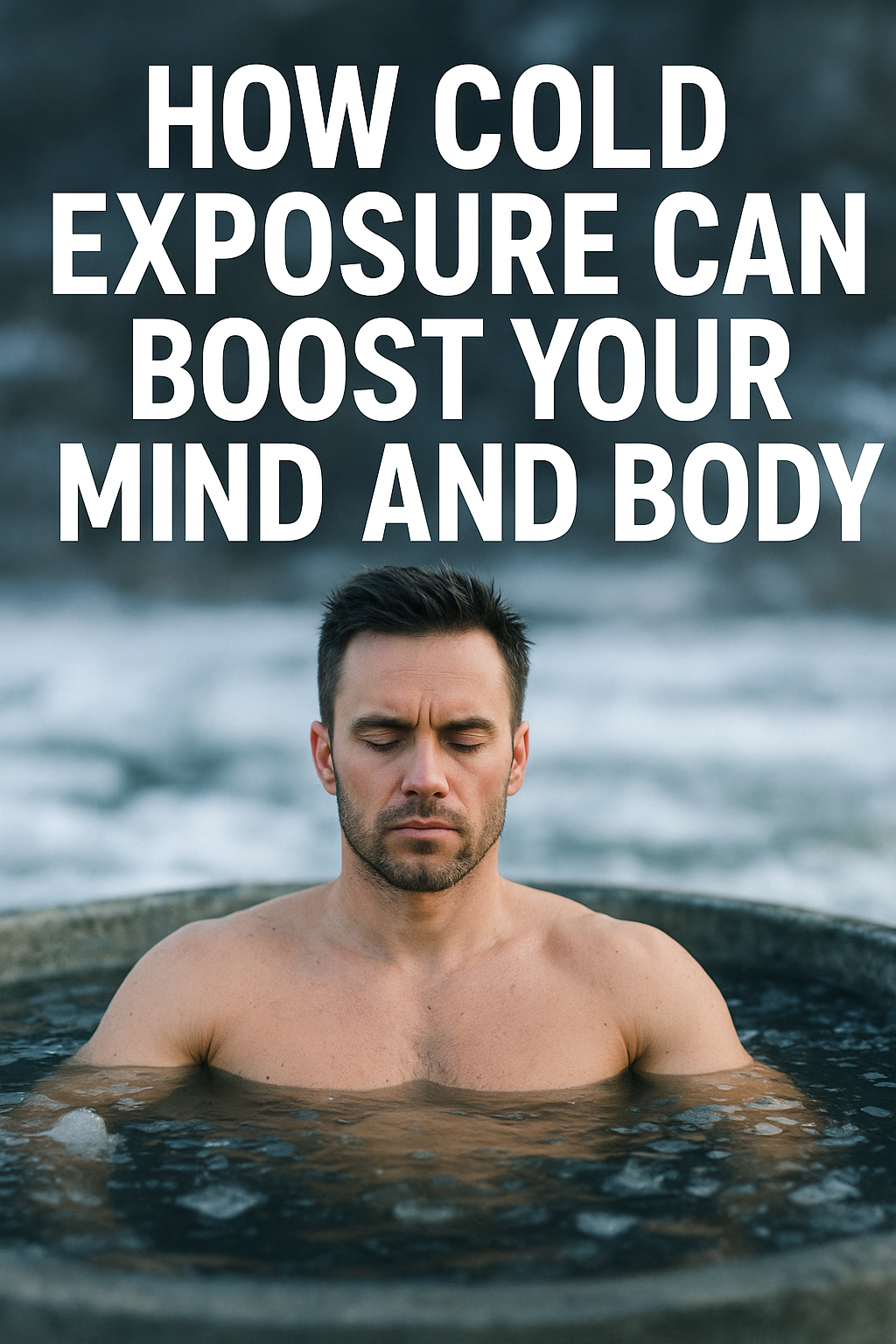
In recent years, cold exposure has gained attention not only as a health trend but also as a powerful biohacking technique. From ice baths to cold showers, people around the world are using the power of low temperatures to enhance both their physical and mental performance. While it may seem uncomfortable at first, practicing cold exposure can lead to profound benefits when done safely and consistently.
This article explores the science, benefits, and practical steps for incorporating cold exposure into your life, showing how this simple yet powerful method can transform your body and mind.
The Science Behind Cold Exposure
When the body is exposed to cold temperatures, it undergoes a series of adaptive responses. These responses are designed to protect vital organs, regulate body heat, and maintain survival. Biohackers use this natural stressor to trigger beneficial processes, known as hormesis—the idea that small amounts of stress can strengthen the body.
Some of the key scientific effects of cold exposure include:
- Vasoconstriction and vasodilation: Cold causes blood vessels to narrow, and when the body warms again, they expand. This process improves circulation.
- Activation of brown fat: Unlike regular fat, brown adipose tissue burns energy to produce heat, which may support metabolism.
- Release of norepinephrine: Cold exposure increases this neurotransmitter, improving focus, energy, and mood.
- Reduction in inflammation: Cold has natural anti-inflammatory effects, supporting recovery and reducing pain.
Benefits of Cold Exposure
1. Boosts Mental Resilience
Stepping into icy water or taking a cold shower requires mental toughness. Over time, it trains your brain to tolerate discomfort, building resilience. Many practitioners report feeling calmer and more grounded in daily life after adopting cold exposure practices.
2. Improves Mood and Mental Health
Cold exposure stimulates the release of endorphins and norepinephrine, which can help reduce symptoms of stress, anxiety, and even mild depression. The immediate alertness after a cold shower can feel like a natural energy drink.
3. Supports Weight Management
By activating brown fat, cold exposure encourages the body to burn calories for heat. While it’s not a replacement for healthy nutrition and exercise, it can be a complementary tool for weight regulation.
4. Enhances Recovery and Reduces Inflammation
Athletes have used ice baths for decades to reduce muscle soreness and speed up recovery after intense workouts. The cold helps control swelling and aids tissue repair.
5. Strengthens the Immune System
Studies suggest that regular cold showers may increase white blood cell count and improve the body’s immune response. People who practice cold exposure often report fewer colds and a greater sense of vitality.
6. Improves Sleep Quality
Surprisingly, cold exposure—especially earlier in the day—can support deeper, more restorative sleep at night by regulating the body’s natural rhythms.
Methods of Cold Exposure
There are several ways to safely integrate cold into your daily life.
Cold Showers
One of the simplest methods is ending your shower with 30–60 seconds of cold water. Over time, you can extend the duration or start with cold water right away.
Ice Baths
Immersing yourself in a tub of cold water (with or without ice) is more intense than a shower. Start with 2–3 minutes and gradually build tolerance.
Outdoor Exposure
Swimming in cold lakes or walking in chilly weather with minimal clothing (within safe limits) can also trigger beneficial responses.
Cryotherapy
This involves short sessions in a chamber cooled to extremely low temperatures. It’s popular in sports recovery clinics but can be costly.
How to Start Safely
- Begin gradually: Don’t jump into freezing water on day one. Start with short bursts of cold at the end of your shower.
- Listen to your body: Mild discomfort is normal, but pain, numbness, or dizziness are warning signs.
- Stay consistent: The benefits grow with regular practice, even just a few minutes daily.
- Pair with breathing: Many combine cold exposure with breathing exercises (like the Wim Hof Method) for improved focus and relaxation.
- Avoid risky situations: Never practice cold exposure if you have cardiovascular problems or without medical clearance.
Cold Exposure as a Mind-Body Practice
Cold exposure is not only physical—it’s deeply mental. Every time you step into the cold, you face resistance from your mind. By learning to breathe, stay calm, and endure, you build discipline that carries over to work, relationships, and personal growth.
In this sense, cold exposure becomes a training ground for resilience. If you can stay calm in ice water, you’re better prepared to stay calm during life’s challenges.
Common Misconceptions About Cold Exposure
- “It’s only for athletes.” False. Anyone can benefit, regardless of fitness level.
- “It burns a lot of fat instantly.” While it supports metabolism, it’s not a magic weight-loss tool.
- “It’s dangerous for everyone.” When practiced responsibly, most healthy people can do it safely.
Integrating Cold Exposure Into Daily Life
You don’t need elaborate equipment to benefit. Here are simple ways to integrate it:
- Take a 2-minute cold shower every morning to wake up.
- Use an ice pack on sore muscles instead of pills.
- Practice mindful breathing while exposed to the cold.
- Combine cold showers with gratitude practice to start the day strong.
Final Thoughts
Cold exposure may seem extreme, but it’s a powerful way to biohack both body and mind. It builds resilience, improves recovery, boosts mood, and sharpens focus. Like any practice, it requires consistency and patience, but the rewards are worth it.
When you embrace the cold, you’re not just strengthening your body—you’re also training your mind to face challenges with courage and clarity.
So, the next time you step into the shower, turn the handle to cold, take a deep breath, and feel yourself becoming stronger—one shiver at a time.