
Visualization isn’t just wishful thinking—it’s a powerful mental technique used by high achievers, elite athletes, and personal development experts to turn goals into reality. When you visualize success regularly, your brain starts to believe it’s possible. And that belief drives motivation, focus, and consistent action.
In this article, you’ll learn how to use visualization effectively to stay motivated and aligned with your goals, even when challenges arise.
What Is Visualization?
Visualization is the mental practice of imagining yourself achieving your goals. It involves picturing the outcome you want as clearly and vividly as possible.
It’s more than just thinking “I want success.” It’s mentally rehearsing what it feels like, looks like, and sounds like to live your success story.
Your brain doesn’t fully distinguish between imagination and real experience. So when you visualize a goal regularly, your subconscious mind starts working toward it as if it’s already happening.
Why Visualization Works
Visualization is effective because it:
- Activates the same neural pathways as real experience
- Builds confidence by reducing fear and uncertainty
- Keeps your goals top of mind
- Triggers the brain’s reticular activating system, which filters in opportunities aligned with your vision
- Increases motivation and emotional connection to your goals
It’s a mental rehearsal—and just like practicing a skill, it strengthens performance over time.
Step 1: Define a Clear Goal
You can’t visualize success if you don’t know what success looks like for you.
Ask yourself:
- What specific goal do I want to achieve?
- What would it look like if everything went right?
- What are the details—location, people, actions, outcomes?
Clarity is power. The clearer the image in your mind, the more effective your visualization will be.
Step 2: Create a Mental Movie
Take your goal and turn it into a short “mental movie.” Imagine:
- Where you are
- What you’re doing
- What you’re wearing
- How you feel
- Who is around you
- What success sounds like (applause, laughter, calm silence)
Replay this scene in your mind daily, especially in the morning or before bed.
Step 3: Engage All the Senses
Don’t just see the vision—feel it, hear it, embody it.
Engage your senses:
- Sight: What colors and images do you see?
- Sound: What sounds surround you—applause, nature, voices?
- Touch: What sensations are present—warmth, strength, texture?
- Emotion: What feelings are running through you—pride, peace, excitement?
The more senses involved, the more real the visualization becomes.
Step 4: Visualize the Process, Not Just the Outcome
It’s tempting to only visualize the final success—but visualizing the steps you’ll take is even more powerful.
See yourself:
- Waking up early to work on your goals
- Completing the tasks that move you forward
- Solving challenges with confidence
- Staying focused when distractions appear
This prepares your mind for the reality of the journey—not just the destination.
Step 5: Practice Consistently
Visualization is like a workout for your brain—it only works if you do it regularly.
Try:
- 5 minutes in the morning to set your mindset
- 5 minutes before bed to reinforce your goals
- Short visualization before difficult tasks or decisions
You don’t need to spend hours—just be consistent.
Step 6: Combine Visualization With Action
Visualization isn’t a magic trick. You still have to take action. But it does prime your mind and emotions to act with confidence.
Here’s how to combine them:
- Visualize your success each morning
- Set one or two realistic actions for the day
- Reflect each evening on progress and adjust as needed
The habit of imagining success → acting on it → reviewing progress creates a powerful growth cycle.
Step 7: Use Visualization to Overcome Obstacles
You can also use visualization to prepare for difficulties.
Imagine:
- How you’ll respond to rejection or delays
- How you’ll bounce back from a mistake
- What mindset you’ll adopt when you’re discouraged
Seeing yourself handle adversity calmly increases emotional resilience and confidence.
Step 8: Create a Vision Board (Optional)
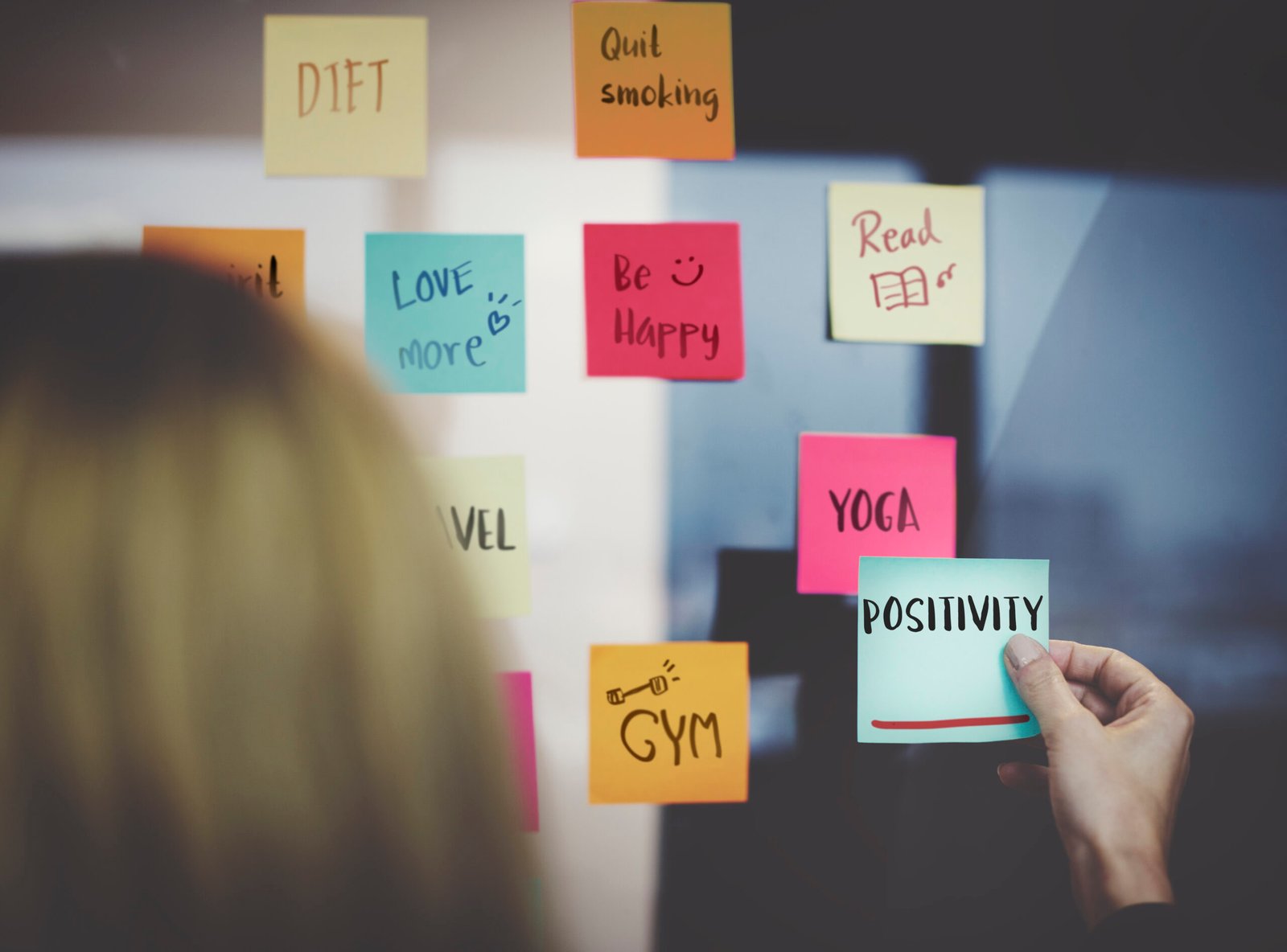
If you prefer visual tools, a vision board can reinforce your mental imagery.
You can use:
- Magazine clippings
- Digital apps like Canva or Pinterest
- Personal photos, quotes, and affirmations
Keep it somewhere visible. It serves as a daily reminder of what you’re working toward.
Your Mind Is Your Most Powerful Tool
Visualization works because your mind is the first place where change happens. When you believe it, feel it, and rehearse it mentally—you’re more likely to take the actions that make it real.
Start here:
- Choose one goal you deeply want to achieve
- Create a 2-minute mental movie of your success
- Practice visualizing it every day this week
- Take one small action daily that aligns with that vision
With repetition, belief grows. With belief, action flows. With action, results appear.